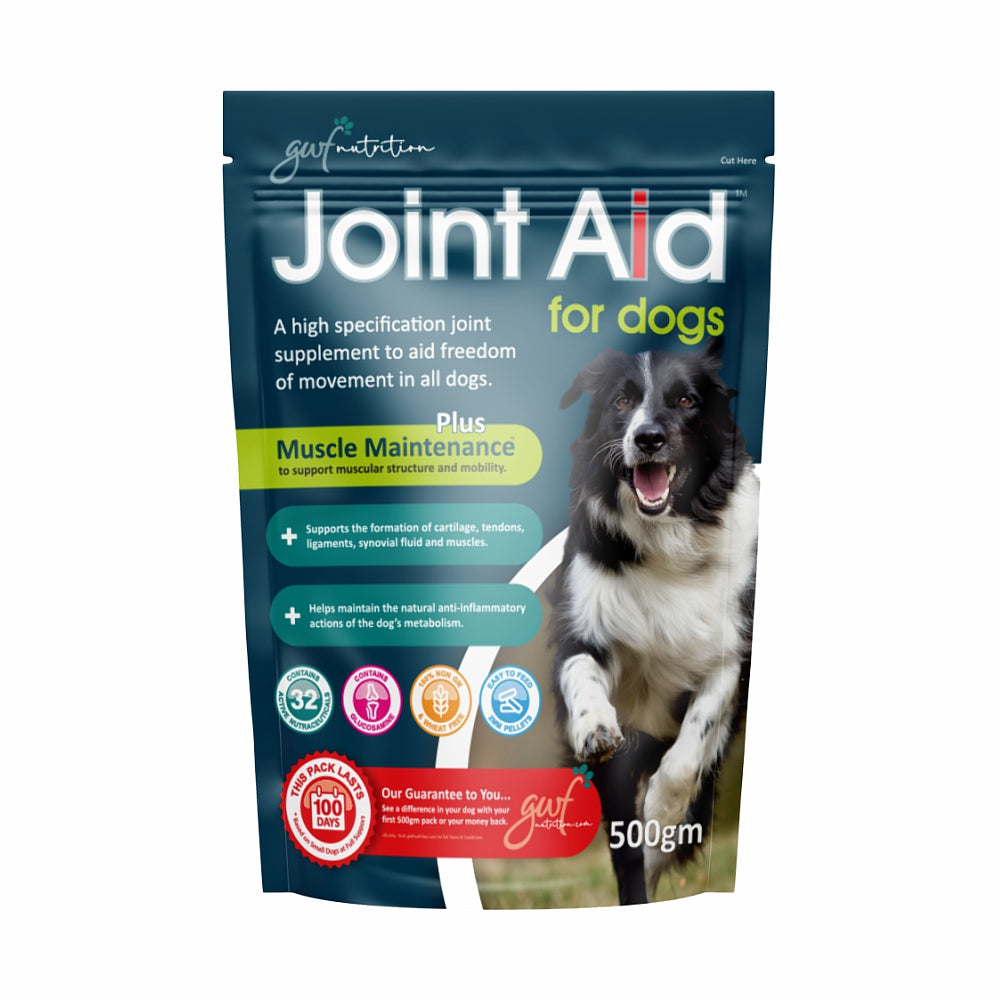

As our dogs grow older or lead active lives, supporting their joint health naturally becomes a priority for many pet owners. If you’re searching for ways to provide natural joint support for dogs, this guide covers everything from choosing the best joint supplements to daily lifestyle habits that can help maintain your dog’s mobility.
What Is Natural Joint Support for Dogs?
Natural joint support includes any nutritional or lifestyle choices that help maintain healthy joint function and mobility. It focuses on supporting cartilage, joint cushioning, and overall mobility through diet, exercise, and supplements derived from natural ingredients.
How to Choose the Best Natural Joint Support for Your Dog
Choosing a dog joint supplement can feel overwhelming. With so many products available, it can be difficult to know which ingredients matter, how formulations differ, and what to look for when comparing supplements.
When comparing products, consider:
- A combination of complementary ingredients
- Clearly stated active ingredients and levels
- Ingredients commonly used in joint nutrition, like glucosamine, MSM and hyaluronic acid
- A formulation designed for daily use
- A format your dog will accept consistently
- A manufacturer with transparent quality standards.
Natural Joint Supplements: Key Ingredients to Look For
When you are looking for a joint supplement for your dog, the best options on the market will include natural anti-inflammatory support, antioxidants, a blend of building blocks and actives, and a formulation that encourages a high absorption rate in the digestive tract.Some common natural ingredients that can help to promote joint health include: