
As owners, watching a once-energetic dog start to slow down can be hard, but understanding the biology of arthritis is the first step in helping them stay comfortable. Whilst we can’t stop the natural changes that happen within the joints over time, we can certainly influence how they affect your dog’s daily life. If you have any concerns about your dog, always speak to your vet first and foremost. You can also support normal, healthy joints with some supportive changes at home.
What are the Main Causes of Arthritis in Dogs?
Arthritis is essentially a change in the joint environment where the natural cushioning (cartilage) begins to wear away. While age is a factor, it is rarely the only cause. The most common contributors include:
-
Developmental Factors: Conditions like hip or elbow dysplasia, where the joints don't fit together perfectly from birth.
-
Historical Injuries: Past trips, falls, or ligament damage that can lead to uneven wear over time.
-
Body Weight: Carrying extra pounds puts constant, unnecessary pressure on the structural integrity of the joints.
-
Activity Intensity: High-impact "stop-start" exercise (like chasing balls) in athletic or working breeds.
-
Natural Ageing: The body’s biological slowing of cartilage and fluid production as a dog enters their senior years.
For younger dogs or specific breeds, understanding the early signs of hip dysplasia in dogs is also vital for long-term mobility.
How Can I Tell if my Dog Has Arthritis?
As a pet owner you will often be best placed to notice subtle changes in your dog but the symptoms of arthritis and stiff joints can sometimes be difficult to spot – here are some of the most common signs to look out for.
-
The "Slow Start": Taking a few extra seconds to find their feet after sleeping.
-
Hesitation: Pausing at the bottom of the stairs or before jumping into the car.
-
Licking and Grooming: Repeatedly licking a specific joint, which can sometimes lead to stained fur in that area.
-
Narrowing of the Backend: A loss of muscle mass over the hips because they are shifting their weight forward to compensate.
-
Temperament Shifts: Becoming unusually quiet or slightly grumpy when handled or brushed.
How to Support Your Dog's Joints at Home
Arthritis is progressive and will require care from your vet so it's vital to make an appointment as soon as you have any concerns about your dog's wellbeing.
There may also be some things you can do at home to help your dog stay more mobile and support their natural joint health as much as possible.
Environmental Adjustments
Simple changes at home can make a massive difference. Non-slip rugs on hard floors prevent "skidding" injuries, and a high-quality orthopedic bed provides the support their frame needs overnight.
Weight and Exercise
Keeping your dog lean is the kindest thing you can do for their joints. Opt for low-impact exercise, like swimming or multiple short lead walks, rather than one long, exhausting hike.
Daily Nutritional Maintenance
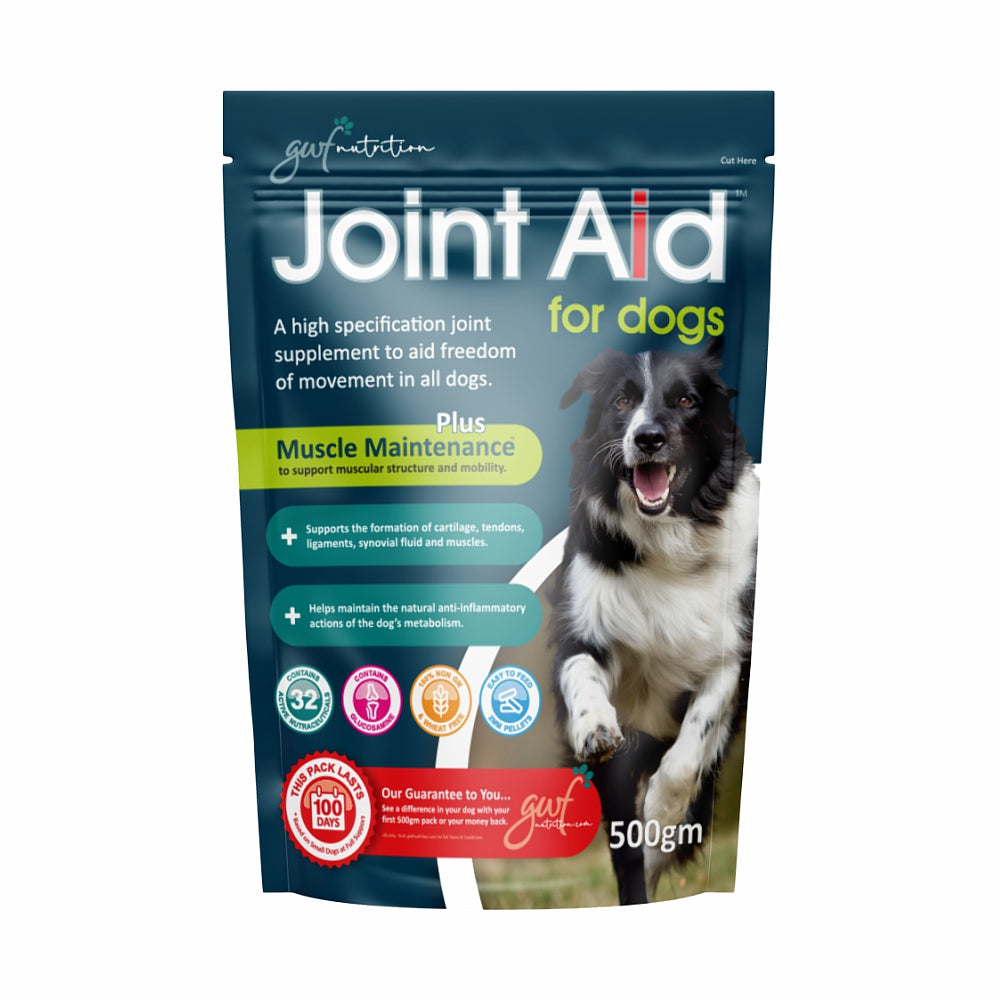
Adding nutrients like glucosamine, hyaluronic acid, MSM, and omega-3 fatty acids into the diet can provide the building blocks the body needs to maintain normal joint function.